
A catheter-based option for selected aortic valve conditions.
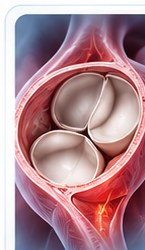
Transcatheter aortic valve implantation (TAVI), also called TAVR, is a catheter-based procedure used for some people with severe aortic stenosis. Whether it is appropriate depends on symptoms, imaging, anatomy, overall health and multidisciplinary assessment.
How TAVI works
A replacement valve is delivered to the heart through a catheter, commonly via an artery in the groin. Imaging guides placement. Access route, anaesthesia and procedural plan vary by patient and clinical judgement.
Who may be considered?
TAVI may be discussed for selected people with symptomatic aortic stenosis. The care team reviews imaging, functional status, other conditions and the relative risks and benefits of catheter-based and surgical options.
- Assessment of symptoms and aortic valve severity
- Imaging and procedural planning
- Discussion of TAVI versus surgical valve replacement
- Personalised follow-up planning
Questions to discuss with your specialist.
Bring relevant reports and ask the care team about evaluation and next steps.
Is this suitable for me?
Suitability is decided after review of your clinical history and investigations.
What are the options?
Ask about potential benefits, risks, alternatives and expected outcomes.
What happens next?
Discuss further tests, preparation, recovery and follow-up if relevant.
Confirm availability
Contact the team for current service, appointment and referral information.
This page is for general education only and is not a diagnosis or treatment recommendation. Service availability and suitability must be confirmed with the treating team.
Questions about TAVI?
Contact the care team to ask about consultation arrangements.